
Avatar Outdoor Good Quality Control of Backpacks help our clients’ bussiness grows well and steady.
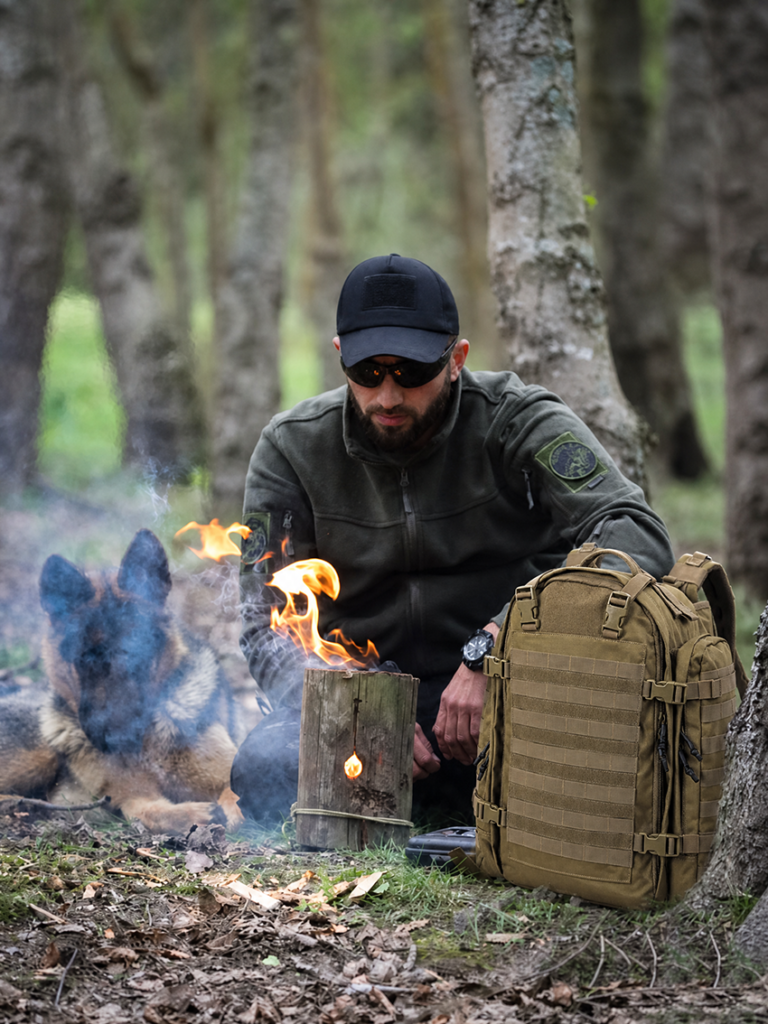
When sourcing backpacks from overseas manufacturers, product quality is one of the most important factors importers need to consider. Whether you are purchasing tactical backpacks, hiking backpacks, outdoor backpacks, or travel bags, consistent quality directly affects customer satisfaction, brand reputation, and long-term business profitability.
However, backpack quality control involves much more than simply checking the finished products before shipment. It requires a systematic process covering raw material inspection, production monitoring, workmanship evaluation, functional testing, and final quality inspection.
For importers, understanding these key quality control procedures can help reduce sourcing risks, minimize product defects, and build reliable long-term partnerships with backpack manufacturers.
1. Raw Material Inspection: The Foundation of Backpack Quality
The quality of a backpack starts with its raw materials. Even if a bag has an attractive design, poor-quality fabrics and accessories can significantly affect its durability and performance.
Importers should pay close attention to the following materials:
Fabric Quality: Common backpack materials include polyester, nylon, Cordura fabrics, and ripstop fabrics. Important factors include fabric thickness, abrasion resistance, tear strength, color consistency, and water resistance.
Zippers and Buckles: Zippers, plastic buckles, adjusters, and other accessories are frequently used components. They should be checked for smooth operation, strength, durability, and dimensional consistency.
Webbing and Stitching Materials: Webbing should have sufficient tensile strength and consistent width. Sewing threads should match the product’s intended application and withstand regular use.
A professional backpack manufacturer should establish clear material specifications and conduct incoming quality control (IQC) before materials enter production.
2. Sewing Quality and Workmanship Inspection
Sewing quality is one of the most important indicators of backpack manufacturing standards.
Poor stitching can lead to loose seams, broken threads, fabric separation, and even structural failure during use.
During production, importers should pay attention to:
- Stitch density and consistency.
- Straight and secure sewing lines.
- Reinforced stitching at stress points.
- Proper thread tension and clean finishing.
- No skipped stitches, loose threads, or damaged fabric.
- Consistent alignment of pockets, panels, and accessories.
Special attention should be given to shoulder straps, handles, bottom panels, and load-bearing attachment points. These areas experience greater stress and require reinforced stitching to ensure long-term durability.
For tactical backpacks and heavy-duty outdoor bags, bartack stitching and reinforced construction are particularly important.
3. Functional Testing and Durability Evaluation
A backpack is designed for practical use, not just appearance. Therefore, functional testing is essential when evaluating product quality.
Different backpack categories require different testing standards depending on their intended applications.
Common backpack quality tests include:
Load-Bearing Test: Checks whether shoulder straps, handles, seams, and attachment points can withstand the specified load.
Zipper Durability Test: Evaluates zipper opening and closing performance over repeated cycles.
Abrasion Resistance Test: Determines how well fabrics withstand friction during daily use.
Water Resistance Test: Evaluates the fabric or finished product’s resistance to water penetration, according to the agreed testing method.
Buckle and Accessory Test: Checks the strength, functionality, and reliability of plastic and metal components.
Colorfastness Test: Ensures that fabrics maintain their color during washing, rubbing, or exposure to light, where applicable.
Importers should confirm the testing methods, acceptance criteria, and product requirements with their manufacturers before mass production begins.
4. In-Process Quality Control During Manufacturing
One common sourcing mistake is relying entirely on final inspection to identify product defects.
In reality, many quality problems can be prevented through effective in-process quality control (IPQC).
A reliable backpack factory should monitor production at different stages, including:
- Fabric cutting and panel preparation.
- Sewing and assembly.
- Installation of zippers, buckles, and accessories.
- Product shaping and finishing.
- Logo application and labeling.
Quality inspectors should identify problems as early as possible and communicate with production teams to implement corrective actions.
This approach helps reduce defective products, avoid unnecessary rework, and maintain consistent production standards across large orders.
5. Final Quality Inspection Before Shipment
Before products are packed and shipped, a comprehensive final quality inspection (FQC) should be conducted.
Importers can use an agreed inspection checklist to verify that finished backpacks meet approved samples and specifications.
Key inspection points include:
- Product dimensions and weight.
- Fabric color and material consistency.
- Stitching quality and overall workmanship.
- Zipper, buckle, and accessory functionality.
- Logo position, printing, and labeling.
- Product cleanliness and appearance.
- Packaging and carton requirements.
For larger orders, importers may consider third-party inspections based on an agreed sampling plan, such as AQL (Acceptable Quality Limit).
It is important to establish inspection standards before production rather than negotiating quality requirements after the goods are completed.
6. Why Choosing the Right Backpack Manufacturer Matters
Even a detailed quality inspection cannot completely replace a professional and responsible manufacturing partner.
A qualified backpack manufacturer should have:
- Stable and reliable material suppliers.
- Experienced product development and production teams.
- Skilled sewing workers.
- Standardized production procedures.
- Effective quality inspection systems.
- Clear communication and responsive after-sales service.
Importers should also evaluate a supplier’s experience with similar products. Manufacturing a lightweight hiking backpack requires different production knowledge from producing a heavy-duty tactical backpack or a specialized outdoor equipment bag.
Choosing a manufacturer with relevant product experience can improve product consistency, production efficiency, and overall sourcing reliability.
7. Work with a Reliable OEM/ODM Backpack Manufacturer
For importers, wholesalers, and outdoor brands, finding a reliable OEM/ODM backpack manufacturer is essential for long-term business growth.
At Avatar Outdoor, we specialize in manufacturing mid-to-high-end tactical backpacks, outdoor backpacks, and functional outdoor bags. With 15 years of industry experience, we focus on product quality, stable quality control, and responsible customer service.
Our quality management process covers raw material inspection, production monitoring, workmanship evaluation, and final product inspection.
We understand that every customer’s requirements are different. Whether you have an original sample, product drawings, or a new product concept, our team can support product development, sample making, customization, and mass production.
We believe that reliable quality is not achieved through final inspection alone. It comes from professional manufacturing experience, strict production management, and attention to every detail.
Looking for a reliable backpack manufacturer for your next project?
Contact Avatar Outdoor to discuss your OEM/ODM backpack requirements and develop high-quality products for your market.
Visit: https://www.avatartactical.com/
Frequently Asked Questions (FAQ)
Q1: What are the most important quality checks when importing backpacks?
The most important checks include raw material quality, stitching strength, zipper and buckle performance, load-bearing capacity, product dimensions, and final workmanship.
Q2: How can importers ensure consistent backpack quality?
Importers should confirm product specifications, approve pre-production samples, monitor manufacturing processes, and conduct final inspections before shipment.
Q3: What is AQL inspection for backpacks?
AQL (Acceptable Quality Limit) is a statistical sampling method used to determine whether a production batch meets agreed quality acceptance criteria. It helps importers assess product quality without inspecting every individual item.
Q4: Should importers request samples before placing bulk orders?
Yes. Pre-production samples allow buyers to evaluate materials, construction, dimensions, functionality, and workmanship before approving mass production.
Q5: What is the difference between OEM and ODM backpack manufacturing?
OEM manufacturing means producing backpacks according to the buyer’s designs, specifications, or original samples. ODM manufacturing involves the manufacturer’s product development and design capabilities, allowing buyers to customize existing designs or develop new products.
Conclusion
Backpack quality control is a comprehensive process that begins with material selection and continues through every stage of manufacturing. By understanding inspection procedures and working with an experienced backpack manufacturer, importers can reduce sourcing risks, improve product reliability, and build a stronger brand reputation.